Inside the City of Des Moines
Where Each Kind of House Lives
Each of these sits inside the city of Des Moines and has a housing stock
that buyers ask for by name. Put the style word in your description and
a buyer knows in one glance whether to keep reading.
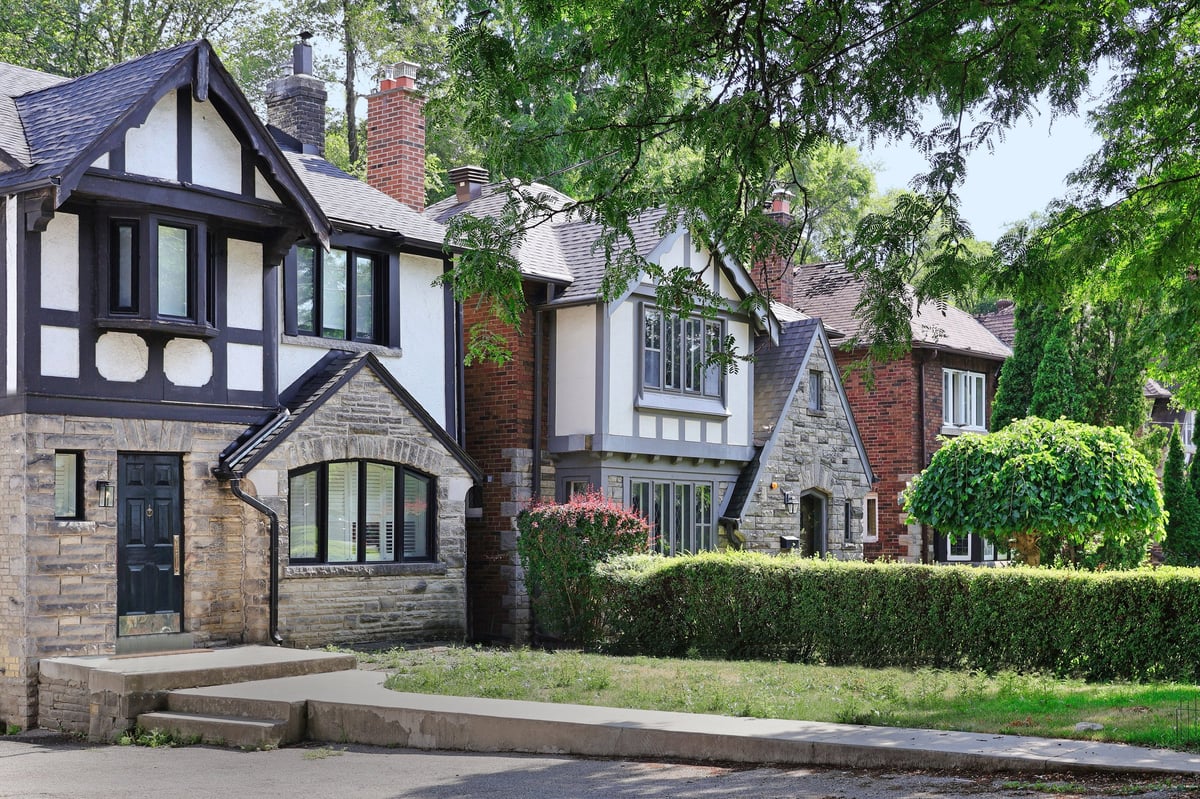
Beaverdale
Northwest Des Moines, centered along Beaver Avenue north of University
Avenue. The housing is largely brick — Tudor and Colonial Revival
houses built in the 1920s through the 1940s, on modest lots with
mature trees. "Beaverdale brick" is local shorthand, and it means a
specific material and a specific era rather than a marketing phrase.
Beaverdale Park sits in the middle of the neighborhood, and the
streets carry names that residents use as landmarks.
Where it sits: northwest Des
Moines, along Beaver Avenue north of University Avenue.
Search phrases: 'beaverdale brick home,' 'beaverdale des moines
houses'
Sherman Hill
Immediately northwest of downtown, and a historic district. The
housing is Victorian — Queen Anne, Italianate and similar late-1800s
styles — mostly on narrow lots close to the sidewalk, with porches,
gables and detail work that later decades stopped building. Many of
the houses have been restored one at a time over decades. Hoyt Sherman
Place is on the neighborhood's edge at Woodland Avenue.
Where it sits: northwest of
downtown, between downtown and Woodland Avenue.
Search phrases: 'sherman hill victorian,' 'sherman hill des moines
historic home'
East Village
East of the Des Moines River, between the river and the State Capitol.
The housing here is mostly converted — former commercial and warehouse
buildings turned into lofts and condominiums, alongside a smaller
number of older houses. Buyers here are not shopping for a yard. They
are shopping for volume, tall windows, exposed structure, and a walk
to shops and restaurants on the surrounding blocks.
Where it sits: east of the Des
Moines River, between downtown and the Capitol grounds.
Search phrases: 'east village des moines loft,' 'east village condo
des moines'
Drake
North of downtown, in the streets around the university that gives the
neighborhood its name. The housing runs to American foursquares and
Craftsman bungalows from the early 1900s, mixed with small apartment
buildings and later infill. It is one of the more varied
block-to-block neighborhoods in the city, which means the street
matters as much as the neighborhood name does.
Where it sits: north of
downtown, around University Avenue and Forest Avenue.
Search phrases: 'drake neighborhood des moines homes,' 'foursquare des
moines'
South of Grand
The streets south of Grand Avenue, west of the river, where the city's
larger historic houses sit on wide, tree-lined streets. Tudor,
Georgian and Colonial Revival styles predominate, most of them built
in the first half of the twentieth century, with more lot than the
close-in neighborhoods. Terrace Hill and Salisbury House are both
nearby, and Greenwood Park borders the area.
Where it sits: south of Grand
Avenue, west of the Des Moines River.
Search phrases: 'south of grand des moines homes,' 'historic homes
grand avenue des moines'
Highland Park
North Des Moines, centered on the Euclid Avenue and Sixth Avenue
intersection. Mostly bungalows and foursquares from the early 1900s,
with a small commercial core that still functions as the
neighborhood's main street. The houses are modest and the lots are
small.
Where it sits: north Des
Moines, around Euclid Avenue and Sixth Avenue.
Search phrases: 'highland park des moines bungalow,' 'north des moines
older homes'